

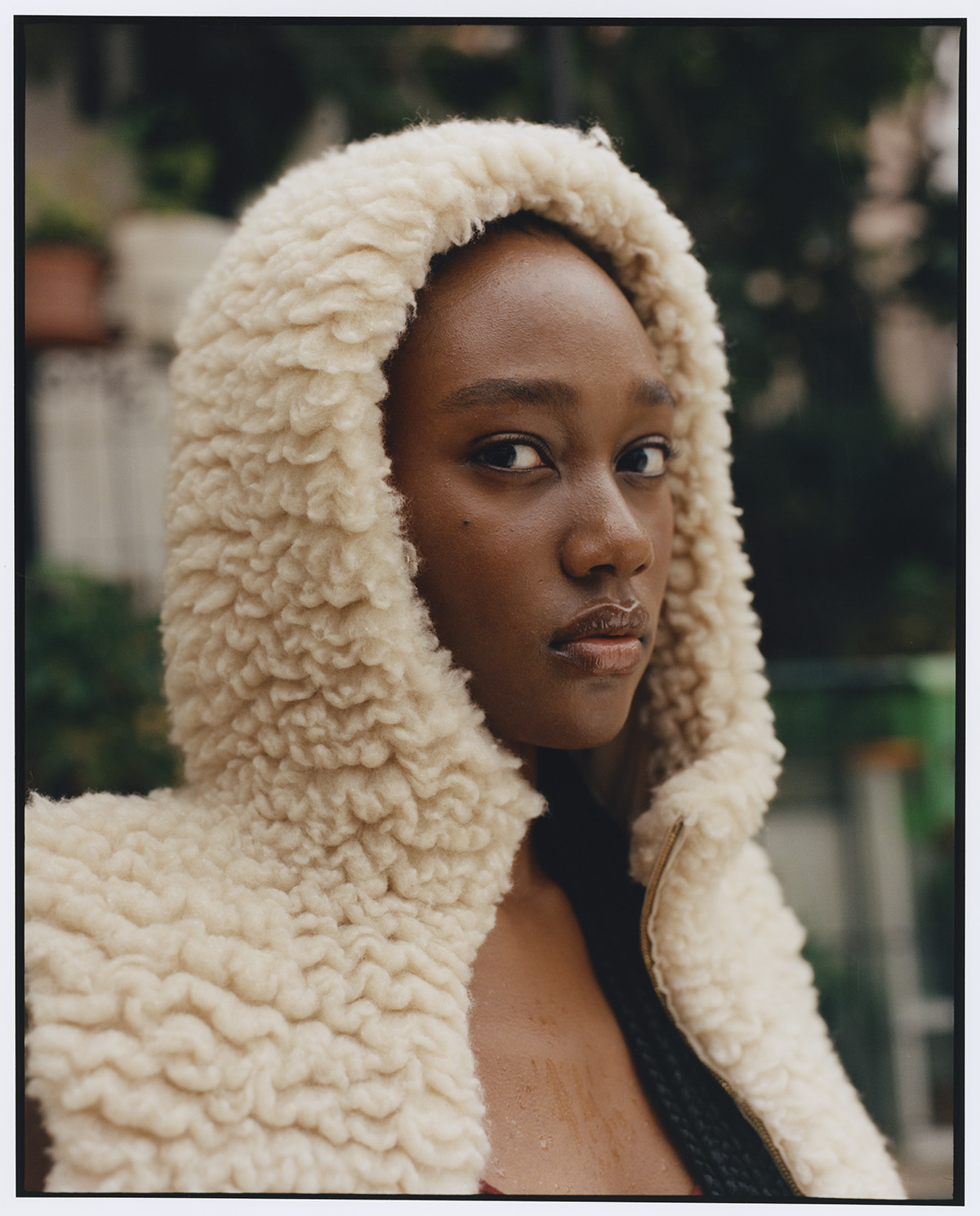

Exploring Lisbon: A Melting Pot of Art, Fashion, and African Heritage
Words by Teneshia Carr
Imagine stepping onto sun-soaked cobblestone streets, your senses awakened by a fragrant swirl of wild marjoram, coastal breezes, and freshly baked pastéis de nata. Welcome to Lisbon, Portugal’s luminous capital, a gem that is perfectly perched at the edge of Europe where an exhilarating fusion of old and new world charm awaits intrepid travelers. By visiting Lisbon, you’re embarking on an enriching journey – one that weaves through astonishing architectural wonders, contemporary fashion hubs, and the mosaic of cultural influences that shape this global city.
Teasing the imagination of artists, fashionistas, and culture vultures alike, Lisbon’s enthralling landscape is adorned with African echoes. It’s a vibrant thread lines the city’s DNA, coiling through its cuisine, music and art, undoubtedly reflecting Portugal’s age-old connections with Angola, Mozambique, and Cape Verde.
Lisbon echoes the rhythms of Africa within its vibrant city bounds, offering visitors a nuanced, multilayered experience that strays far from the conventional European sojourn.
Lisbon is a vibrant tapestry woven with threads of African heritage. This influence is evident in the city’s architecture, where the Manueline style, a Portuguese architectural aesthetic of the 16th century, bears a striking resemblance to the intricate geometric patterns found in African art. The Manueline style, characterized by its ornate detailing and maritime motifs, is a testament to Portugal’s Age of Discovery, during which the country colonized Africa. This architectural style is a visual narrative of Lisbon’s historical ties with Africa, and can be seen in iconic landmarks such as the Belém Tower and Jerónimos Monastery.
Lisbon’s culinary scene is another testament to this heritage. The city’s gastronomy is a flavorful fusion of traditional Portuguese dishes with African influences. One can savor the taste of Mozambique in the spicy piri-piri chicken, or the flavors of Angola in the hearty muamba de galinha, a chicken stew cooked with palm oil and okra. The city’s food markets are a sensory delight, brimming with the aroma of African spices like coriander, cumin, and cinnamon. The influence of African cuisine in Lisbon is not just a culinary experience, but also a cultural immersion into the city’s diverse heritage.
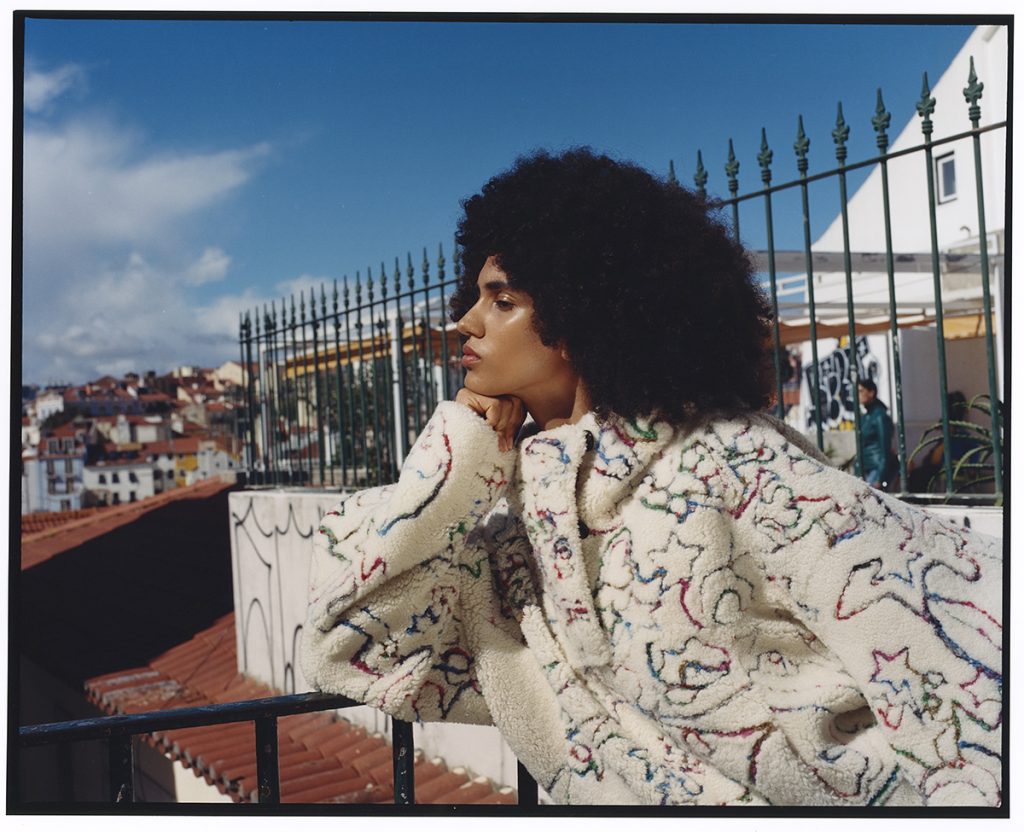
Beyond architecture and food, Lisbon’s diverse heritage permeates everyday life. The city’s music scene is pulsating with the rhythms of Africa, particularly in genres like Kizomba and Semba, which have roots in Angola. Lisbon’s streets often resonate with the sounds of drumming, and its nightclubs come alive with the sensual moves of Kizomba dancers. African-inspired fashion is also prominent in Lisbon, with local designers incorporating African fabrics and textiles into their collections, creating a unique blend of European elegance and African vibrancy.
Moreover, Lisbon’s African heritage is not just a thing of the past but a living, evolving part of the city’s identity. New waves of African immigrants have brought with them contemporary African art, music, and fashion, further enriching Lisbon’s cultural scene. This is evident in places like the LX Factory, a creative hub where African artists and designers showcase their work.
An alternative narrative chants from the street corners of Lisbon’s pulsating heart, where the echoes of African music surge through the veins of the city. Vibrant markets such as the Feira da Ladra, an emblem of Lisbon’s diversity, hum with the rhythmic symphony of the Afro-Portuguese experience. You are drawn in, you feel your heart momentarily sync with the pulsing drums, the rhythm compellingly inescapable. Here, the bold colors of West African batik fabrics weave tales of motion and migration, while the intricate bold patterns of Mozambican capulana cloth narrate stories of tradition and transformation.
It is in these intimate spaces where the spirit of African cultural legacy mingles seamlessly with the modernity of Lisbon’s urban canvas. Artists, both Portuguese and African, seek inspiration in this pulsating sociocultural amalgam. The city’s art scene, often housed in unconventional spaces—trams turned into studios, medieval taverns morphed into vibrant galleries—is ignited by this dynamic diversity.
To travel to Lisbon is to immerse oneself in a deeply diverse narrative, to step into an astonishing aesthetic storyboard where African cultural threads are intricately woven into the tapestry of Lisbon’s everyday life. From traditional African cuisine bursting with the bold, diverse flavors of the continent, to modern Afro-fusion diners that startle your senses and push culinary boundaries, Lisbon’s gastronomic stage is every bit as diverse as its streets.
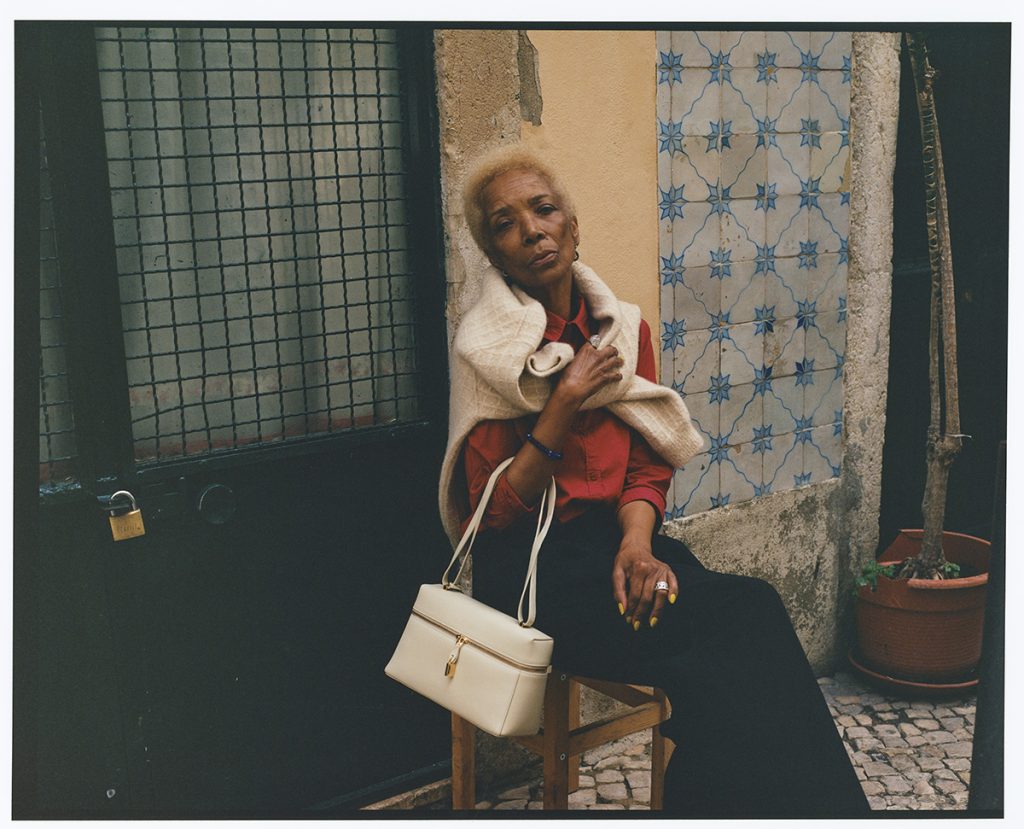
In the fashion realms, Lisbon pulsates to a rhythm set by African designers. Reinterpreting traditional forms and infusing them with contemporary sensibilities, they create sartorial symphonies that reverberate across Lisbon’s fashion landscape. Labels like +351, named after Portugal’s telephone code, and Panafrica, playfully subvert European cuts with vibrant African patterns. These brands embody a progressive artistry, a testament to Lisbon’s continually evolving fashion and cultural consciousness.
Lisbon invites you to navigate its complex labyrinth. Here you will discover the narratives intertwined of Africa and Portugal in every step, in every scent, in every view. Considering its profound cultural dialogue and dynamic diversity, there is no question about the transformative power travel to Lisbon possesses. You don’t just visit Lisbon, you delve into an evocative mosaic of culture, where old and new, east and west, converge in a captivating dance.
Ends
Special Thanks so Loro Piana