
Cultar
Compton Cowboys
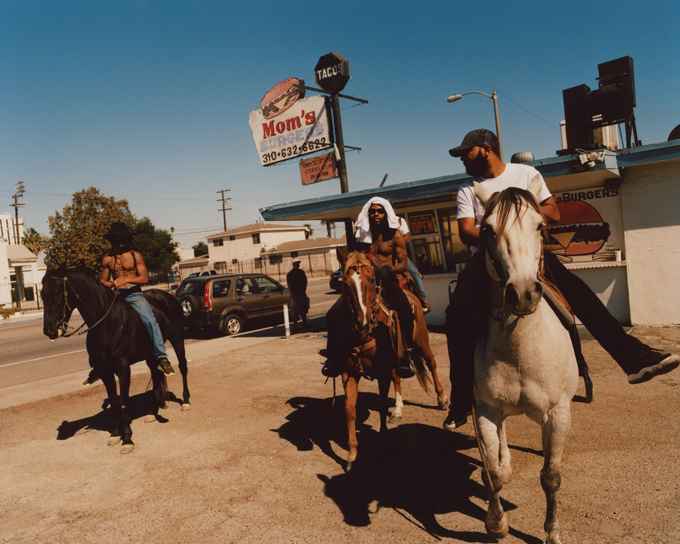
Mar a chaidh innse le co-rèiteachadh Cowboy Cowboy Randdy Saty
Dealbhan le Rhys Frempton
Is mise mac-peathar boireannach leis an ainm Mayisha Akbar, Cò a stèidhicheas aund. Thòisich i air buidheann air ais a-steach 1988 ris an canar an Compton Jr. Posse, buidheann neo-phrothaideach a 'cleachdadh muin eich gus clann a chumail air eich agus far na sràidean ann an Compton. Bha an stèidheadair compton aige fhèin na thuathanach. Bha e uamhasach mòr ann an àiteachas, Mar sin tha e na phrionnsagach a 'bhaile bheag seo, ris an canar tuathanasan Richmy, Mar bhaile a dh 'fheumadh fuireach mar bhaile tuathanais a-steach do perpetuity, gu bràth. Mar sin, Eadhon nuair a chaidh am baile a thoirt a-steach, an cuilbheart beag seo timcheall an seo.
Thuit i thairis air a 'bhaile bheag seo, agus bha i coltach, "O mo mhaitheas, Is urrainn dhomh a bhith a 'fuireach an seo agus each a bhith agam agus a bhith a' fuireach mo bhruadar cowgirl a-mach, agus bha i coltach, "Ifrinn yeah!" Mar sin, Rinn i sin. Bha triùir chloinne aice aig an àm, and my dad had two kids, myself and my brother. She got a house in the neighborhood, had her horse or two. She and her partner had two horses. And to her, that was life. That was going to be life. A 'fàs suas, raising her kids around horses, and eventually, she'd be a cowgirl and got to live that whole life. That was her dream.
She started using the horses to teach life skills. It created a system where kids would straighten themselves up for the sake of wanting to ride. And that just turned out to be an incredibly wonderful thing for them because it started immediately affecting and changing kids' lives. Many of these kids come in crazy, and the next minute, they're like, "I've got to go to school, I've got to go to class because I want to ride."
We were almost living in one of those movies, where there's only one black team that's going into this white space and trying to accomplish something. It's like that same arc. We would show up and be the only black kids at the spot, but we showed up and showed out. We won a whole bunch of events.
Man, we would be going everywhere and getting popular and winning a lot of events, and we had the cool uniforms and everything, and it was a great time. That was our childhood, was these Compton kids, but full-blown cowboy and cowgirl kids. We would go to the rodeos and do all that. Camping trips and just everything.
Then, life starts happening. We all started getting into high school and stuff and wanting to do our own thing, play other sports, hang with girls. We dissipated a little bit, but we were always friends. We just weren't the same cowboy-cowgirl clique that we were when we were kids. We were doing different things now, but we was still homies.
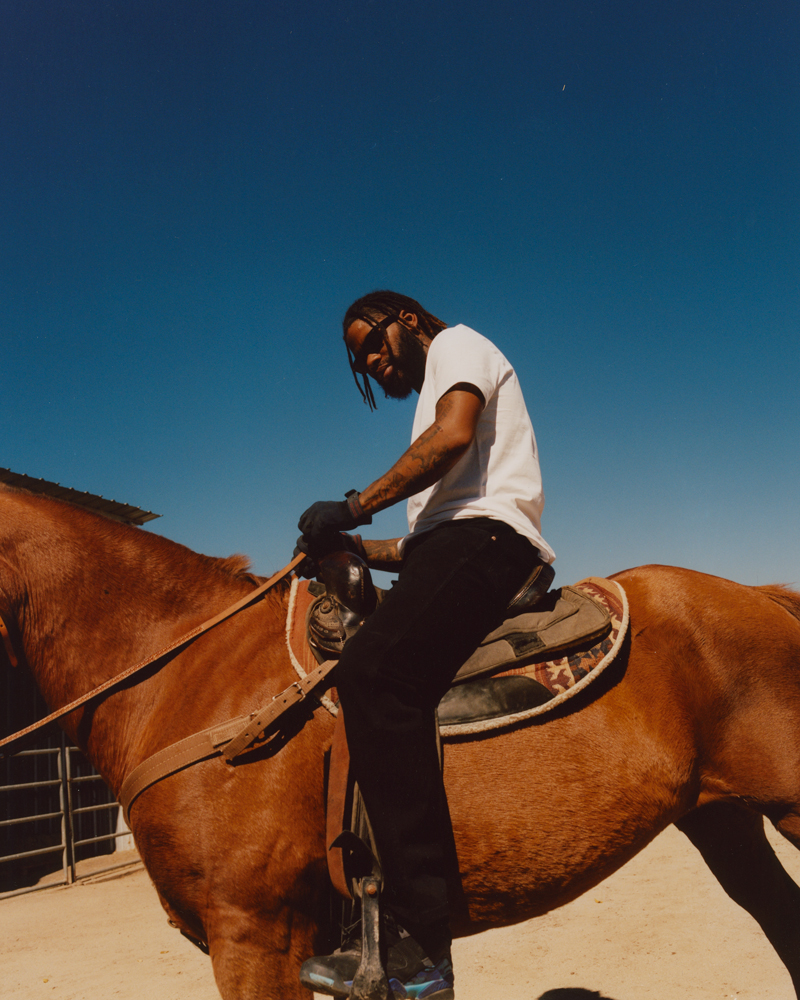
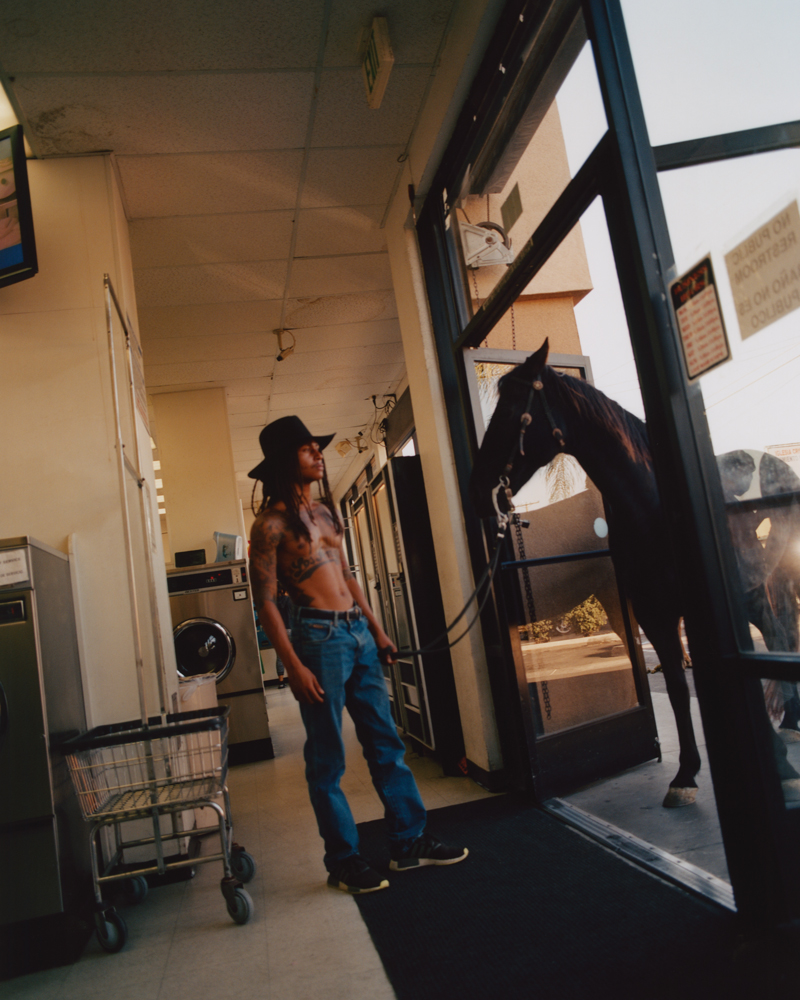
The heart and soul of what we do is to create opportunities and give back to our community. It's about this ranch, these horses, saved our lives as kids. And we have people that grew up with us that didn't make it, and we've buried homies, we've lost homies, and a lot of the key distinguishing factor was that we were cowboys, and they were not.
Our mantra is, "Streets raised us, horses saved us." That's very real. For us, it was like, "These horses saved our lives. How do we take it to the next generation and continue to pay it forward and also develop a model that we could use to replicate and do community work and scale it up to a global capacity?" Tha sinn a 'cruthachadh àrainneachd, Chan eil dad mar dhuine sam bith a chithear a-riamh. A 'mhòr-chuid den ùine, Gus faighinn chun an seòrsa àrainneachdan sin, feumaidh tu a dhol gu na beairteas as beairtiche, fada a-mach, seòrsa Elitist de nàbachdan. Agus air ar son, tha sinn coltach, "Ach a-nis, Stèidhichte air an einnsean gu bheil sinn a 'leasachadh, Is urrainn dhuinn sin a chuir an seo an seo nar cochall agus a 'fuireach an seo."
Tha mi a 'fuireach an seo. Tha mi a 'fuireach air an raon-laighe. Is e seo seilbh mo theaghlaich. Tha sinn fhathast a 'dèiligeadh ris a h-uile càil a tha a' strì gu lèir anns a 'chochall agus a h-uile dad a tha a' dol leis, Ach tha sinn an seo a 'sabaid gus an aithris atharrachadh, Cruthaich coimhearsnachd nas fheàrr, Cruthaich baile-mòr nas fheàrr, Cruthaich cothroman dha clann mun cuairt an seo, agus is fhiach e.
A 'chlann, faodaidh iad a thighinn a-steach an seo. Fear de na balaich òga agam a thàinig troimhe an seo, thàinig e gu super garbh timcheall nan oirean. Cha b 'urrainn dhomh creidsinn cho fada air an robh e aig 11 Aois bhliadhnaichean. Agus nuair a choinnich mi ris, Dh 'èigh mi dha an oidhche a choinnich mi ris, oir is toil leam, "Yo, Is e seo a tha a 'tachairt nam chochall agam? Tha a 'chlann sin 11 agus 12 agus fios a bhith agad air mar as urrainn dhut ciùird agus a 'dèanamh malairt dhrogaichean agus malairt siùrsachd agus a' gluasad dhrogaichean agus a 'giùlan ghunnaichean. Am balach seo, chan eil e eadhon anns a 'mheadhan-sgoil," tha fios agad dè a tha mi ag ràdh?
Nuair a chunnaic mi sin agus an uairsin is urrainn dhomh sùil a thoirt air an aon leanabh seo a 'toirt suas dìoghras airson eich, agus a-nis tha e air a dhol suas gu bhith na marcaiche tarbh proifeasanta, agus chan eil e eadhon a 'smaoineachadh mu na sràidean? Is e sin a tha a 'phuing gu lèir. Is e sin am faireachdainn as buannachdail. Is e sin an adhbhar agus an rùn gu lèir a th 'againn a bhith comasach air a bhith comasach air beatha na cloinne a shàbhaladh agus atharrachadh.
For us, it was like, Tha sinn air a bhith na chait òga bhon bhloc, ach tha sinn a 'dol a chuir sinn fhìn air an t-slighe gu gnè agus a bhith fhathast na mheur ùr, cool thing at the same time. Mar sin, now, we've got this environment, where, "Yo, boom, we're the Compton Cowboys. We poppin'." The young homies, they want to come in now. They're like, "Bro, how can I be like that? How can I be like that? What's up with that? I want to ride, I want to rodeo, I want to whatever."
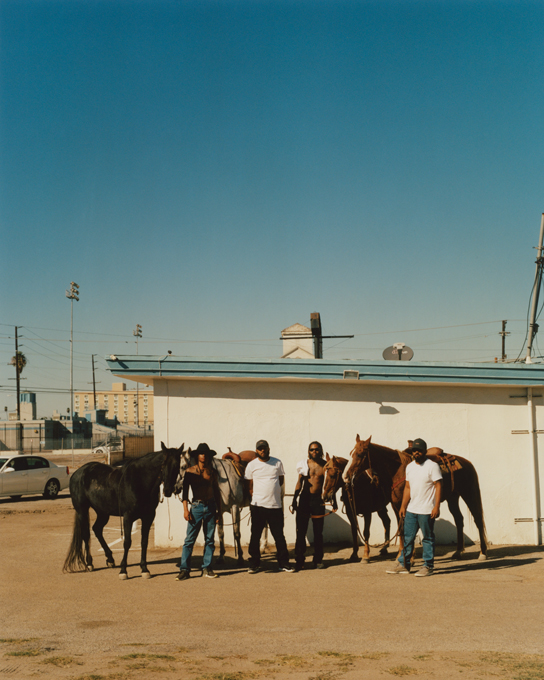
"It makes me so incredibly proud and emotional to look at my homies who was former gang members, and they're identifying themselves as a cowboy, and they are participating in the democratic process by voting and going for community rallies and talking t o the kids. I'm like, that shit is so... I can't even articulate how it makes me feel, and the pride it instills in my dad and my auntie, who this was their dream to change the hood for a positive way without losing the essence of who we are. And they've done that. My dad can walk outside right now and see 10 of the homies out there laughing it up, talking shit, or listening to loud music and drinking whatever, but guess what? We are globally making a move and changing people's perspectives on black people, on inner-city communities, on cowboys, on all of these fronts, and it's something to be proud of.
One of our mission's core elements is to pay homage to the culture, traditions, and legacy of the black cowboy. That is very important for us. It's not just about being cool and being dope and then doing stuff in the community. It's about creating a thread to our lineage and having pride in that, and being able to show the new generation that our people have contributed to the development of the modern world, the development of civilization as we know it, in more ways and many ways and other ways than we're taught or that we would know.
And so, we take great pride in putting on these cowboy hats and walking out there with our brown skin and being like, "This is what we do," because there's a long history to that. Those contributions have not been highlighted or appreciated, both locally, nationally, and worldwide. A big part of what we're doing is to put it back on the map for the bigger picture of the people.
Mad World Issue 13