HĪMENE
Kohinoorongas
Te mau parau a Abby Fritz
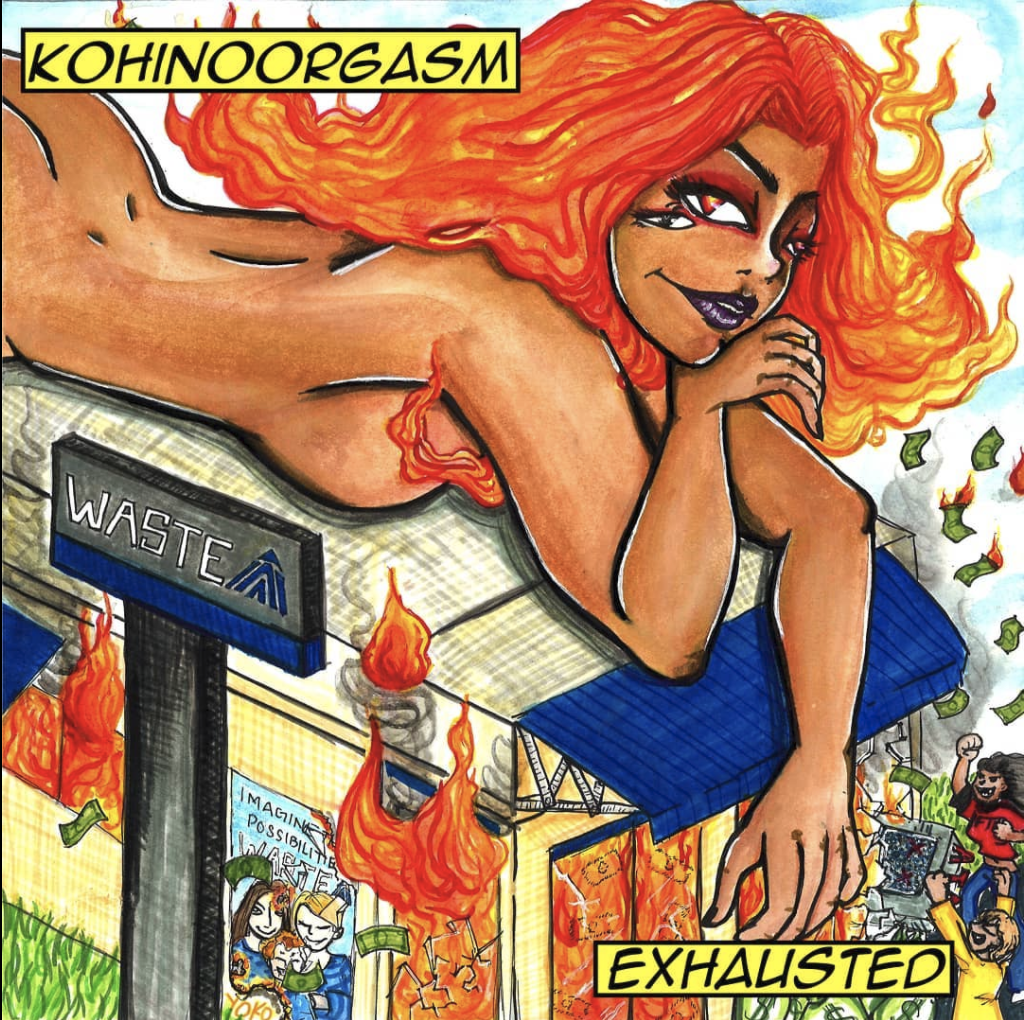
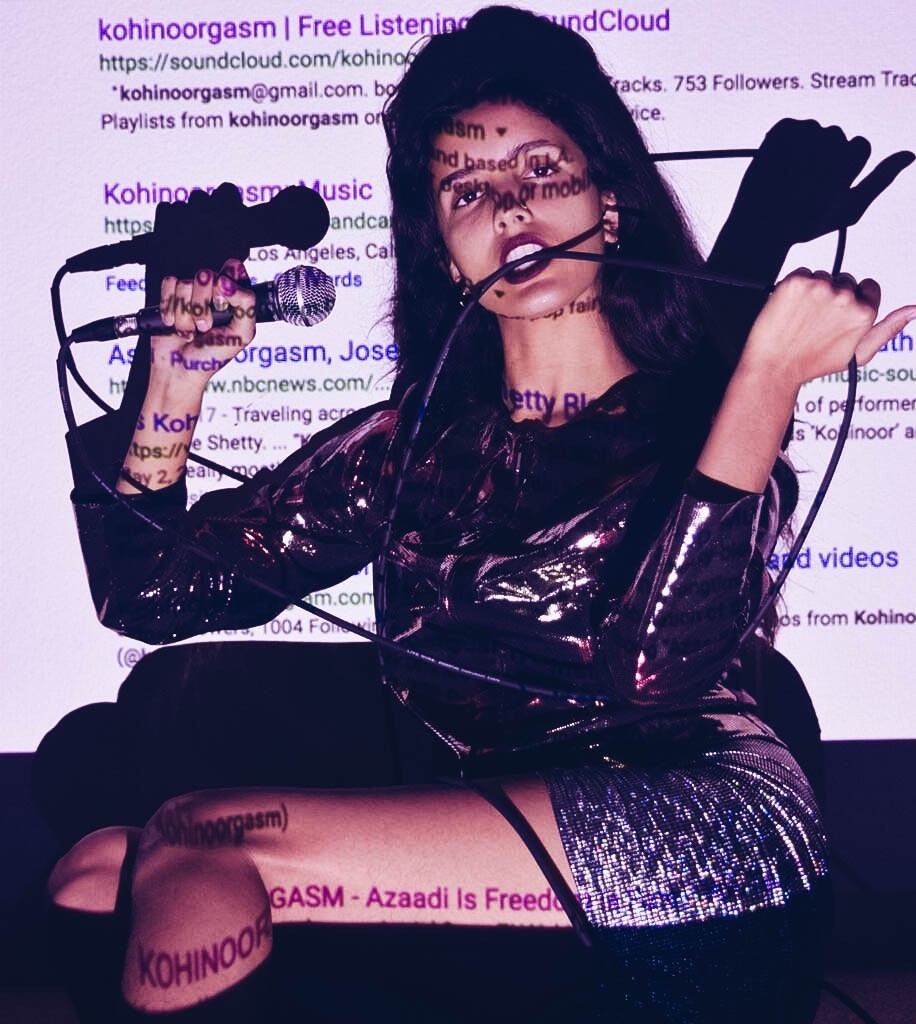
I Josephine Shetty, te hoê taata faata'i upaupa no Los Angeles, Ua piihia o Kohinoorogasm, Fātea "Ua taparahi" i ropu i te ma'i COVID-19 i teie tau veavea. Ua maoro roa te himene e ua riro te reira ei hoho'a tohu no te huru no te faaoroma'iraa i te feia rave ohipa. Te faaohiparaa i te mau reo mo'a mo'emo'e e te mau rave'a aravihi apî, te hoê noa ' tu mea e au i te arepurepuraa e te mauiui o te mau ava'e i ma'iri a'e nei.
26-Te anaana ra te mana'o puai o te taata ra o Shetty i ni'a i te mau titauraa a te taata iho na roto i te hamaniraa i te hoho'a o teie e'a e te hi'opo'a nei i te huru o to ratou huru i ni'a i te ohipa ei taata faata'i upaupa.
I roto i te hoho'a teata i raro i te fenua, mea nahea te COVID i te faainoraa i ta ratou parau, e mea nahea ratou ia faaroo i to ratou piiraa na roto i ta ratou ohipa rima î, faanahonahoraa o te huiraatira, Ha'amaitai.
Eaha te taime i haamata ' i oe i te hamani i te pehe?
"Te mana'o nei au e, ua hamani au i te pehe i to'u oraraa taatoa. E mea pinepine vau i te farii i te pehe, iho â. Ua riro te reira ei mea maitai roa no'u ei tamarii, e no te mea ho'i e, ua rave au i te mau ohipa auaha i roto i ta'u fare haapiiraa e ta'u ekalesia. Teie râ, e mea huru ê roa te reira mai te hoê arearearaa, mea e nehenehe ta outou e rave no te arearea, aita râ vau i mana'o e, ua ite au i to'u vahi i roto i te reira ei ohipa e aore râ, ei oraraa o te oraraa. It wasn't until I was in college when I moved to Berkeley, e e hoho'a puai roa teie i roto i te ooa. O te taime ti'a ïa i te vahi ti'a no'u i te faaearaa i Berkeley i roto i te 2012 nā roto 2017. Ua haere au i te mau hoho'a, te rave nei au i te mau mea; te mau ohipa rima î e te fenua i raro. E ua anaanatae roa vau i te ite i te huru o te mau taata, o tei farii i teie huru aravihi i te pae no te pehe. Te vai ra te mau taata i roto i te vahi i raro i te fenua, e te vai ra atoa te mau taata i roto i te fenua i raro mai. E ere i te mea fifi roa no'u ia mana'o e, e ere to'u hinaaro i te pehe i te hoê huru feruriraa ma'i i reira outou e mana'o ai e, e ere to outou huru no te mau ohipa rima î i te mea tano mai te tahi atu taata. Ua hinaaro vau e faatura i te reira na roto i te imiraa i te reira hau atu, i te haamataraa vau i te hamani. Ua ite maitai au i to ' u huru i to te ' u iteraa ' tu â i te mau huru faata'iraa pehe DIY i taua taime ra. Ua parau vau, 'E, ae, Teie ta'u e rave nei,E mea ti'a ia'na ia hi'opo'a."
Nafea outou ia hamani i ta outou pehe?
"Te oaoa nei au i te hamani i ta ' u pehe, E ere i te mea ino roa ia parau e e mea ino roa te faaôraa mai i roto i te mau hoa ohipa e te feia hamani hoho'a. I'm certainly looking forward to having the capacity and the competence to bring more people in. But I started out that way because I was also struggling with my own vulnerability in songwriting, and I really couldn't fathom showing these things to another musician. I also had a strong vision from the start, I wanted to have control over the music. After I produced my first album which was entirely produced and recorded on GarageBand, I showed it to some friends, I posted some songs on Soundcloud, and got a lot of really positive feedback from people. But I did struggle with "ō, is this worth putting out? Is it worth all that effort?" But then at the same time, in the spirit of the underground, I feel like that's so fun. Why not, Ua 'ō? ua riro atoa te reira ei mea au ore no te farerei i te hoê mea i rapae i te fenua. Ua haere atu vau mai GarageBand, e i muri iho, ua au roa vau i te mana'o tano no te hoê taime, I teie nei, te faaohipa nei au i te mau rave'a Pro. E au te reira i te hoê tauiraa."
Nahea to outou hoho'a i ohipa ai ia outou ei taata faata'i upaupa?
"E mea pinepine au i te uiui e nahea ia faati'a i te reira no te mea e mea taa ê roa te reira no ta'u ohipa. E maitiraa mana'o maitai, te hoê ma'itiraa-maitai-raa, Te hoê ma'itiraa nehenehe, e te hoê hoho'a ti'a no'u e o vai vau i roto i ta'u ohipa rima î. Te mana'o nei au e te vai ra teie taa-ê-raa, i teie nei, e mea rahi a'e ta'u ohipa, Te mana'o nei au e, ua patu vau i te hoê e'aturu no'u iho i rotopu i te repo e te mau rave'a haaparareraa parau rahi a'e. Te ti'aturi nei au e, e rave rahi mea no ni'a i te rahiraa o te feia hauti e faahepohia nei i roto i teie buka o outou, e ua manuïa rahi outou, tāpa'ōfa'i, te hoê taata faata'i upaupa e aore râ, e mea iti roa to outou moni, Āta'ati'a. E mea papû maitai e, e mea maitai roa te fenua i raro i te fenua no te mea ta tatou e here i te ao o te pehe, no te mea e, te vai ra te mau hoa e te mau melo o te oire no te buka i te tahi e te tahi, Te ti'aturi nei tatou e, e mea paruru-maitai-hia, te faataahia ra te reira i nia i ta tatou mau parau. Te oaoa nei tatou i ni'a i ta tatou mau parau, Te vai ra te parururaa i ni'a i ta tatou mau parau, Te vai ra te taata faata'i upaupa i roto i ta tatou mau parau, e te ohipa ra te ohipa. Ua riro te vahi i raro mai ia'u ei hinaaro rahi i te hoê hoho'a no te ohipa, mana'o, BIPOC, fare. I te hoê â taime, E mea maamaa roa te vahi i raro i te fenua e te mau mea o te ore e, Mai te mau taata paruru, Ua faaite to ' na huru, te feia tuatapapa i te huru, e te mau taata e paraparau ra mai teie te huru. Teie râ, te haapeapea mau nei au no nia i te fenua. O te mau vahi ïa no te peu tumu no te pehe e te mau ahu taoto, i reira te niu mau o te tauiraa e patuhia ' i."
"Ua riro te reira ei tuhaa faufaa roa no te aha vau i haamau ai i te pŭpŭ himene no te mau taata faata'i upaupa e te feia rave ohipa no te mau fenua atoa, ia nehenehe tatou e hamani i te hoê pǔpǔ feia rave ohipa i te pae no te pehe. E nehenehe ta tatou e taui i te ohipa tapihooraa e e faatitiaifaro i te mau fifi o te ore noa i nia i te feia faata'i upaupa e te feia rave ohipa i te pae no te pehe. No'u nei, e mea faufaa roa no'u e, e mana to tatou paatoa no te faataa i to tatou iho opuaraa e te oaoa e te ohipa. Te ti'aturi nei au e, te vahi i raro i te fenua, o te hoê ïa vahi i reira tatou e ha'uti ai i te reira."
No te aha outou i ma'iti ai i te Kohinoorgasm ei i'oa o to outou tahua?
"E mea maitai roa o Kohinoorgasm. Te vai ra te hoê amuiraa no te mau parau Kohinoor e orgasm. I had a hard time choosing a stage name when I initially released my music. I te reira taime, I didn't think it would be something that would stick with me for so long, but it's proven to be a nice name because it's very searchable and it's unique. It's also kind of fun that I made up my own special word. I wanted something that alluded to decolonial Indian history, but that also was just really playful and queering some cultural tropes."
What do you seek to bring to your audience through music?
"When I was in high school, I would go to raves and I was super into electronic music and I still am. I have really deep respect for those genres, especially now as I'm learning they were pioneered by black musicians. Oia ho'i, when I was making music for the first time, I knew I wanted to make something that was really honest to who I am, peaceful and reflective but can also be fun and danceable. One thing I wasn't seeing in a lot of dance music was lyrics that had potent political messages. The dance floor, the club, and the disco have been really political spaces throughout history. I wanted to honor that by bringing my own kind of organizing, political background, and personal background into dance music that also synchronizes with my anti-capitalist and anarchist messages."
How has your music served you throughout your journey as a musician?
"It's really cathartic to make music, it reminds me of how people talk about art therapy. I feel like when I sit down, so much of my music practice is not just putting out music for Kohinoorgasm. A lot of the time I'm just trying to relax and get some thoughts out. Sometimes I'll sing in a diary style about my day, or about how I'm feeling. I'll even hum melodies that are reflective of the emotions or the moods that I'm going through. And it's a really cathartic practice."
"But there's so many things that making music has brought me. I've gotten to tour and meet a lot of great people. I feel grateful and privileged to have been able to tour the underground whenever I've toured outside of the West Coast. It's such a cool thing to see how the underground is operating in other cities and see the parallels to see some of the structural and aesthetic differences between cities."
You have chosen to incorporate Hindi into many of your songs. What prompted this decision?
"I grew up listening to a lot of Hindi pop music and I couldn't really relate to the lyrical content. I love the lyrical aesthetic of a lot of Hindi pop music, it's super poetic and romantic. But when I thought about translating my musical taste into my own practice, I wanted to create something that was really personal to me. I felt like welding all of my interests ended up turning into me reclaiming some Hindi pop aesthetics by creating a lush, Hindi, pensive, ambient. femme style."
Is performing a big part of your relationship to music? If so, how has COVID-19 changed your ability to perform?
"I think a lot of performers have a complicated relationship to performing. I do love performing, terā rā, but I also feel like it is exhausting. There was one year that I spent almost the whole year on the road. It was the most traveling I've ever done in my life, but it's exhausting and it's hard to maintain stability. I ended up having to give up my housing to go on tour. It's destabilizing to go on tour as a grassroots artist and low-income artist. But I do love performing and I miss it a lot for sure."
"But I'm also really enjoying this moment, it's been nice to have a break from performing a little bit to just focus more on writing, because ultimately, I want to perform new songs and that means I need to sit down and write. It's interesting to perform on zoom and to perform virtually. I am not opposed to it at all and I'm looking forward to the ways that I can like innovate that medium. I've seen some people do really cool things and it's just so exciting to see how creatives get creative when a whole new circumstance is thrown at them."
"Ua taparahi" was released in late May, during a time of much turmoil throughout the world. Was this part of what spurred the creation of the song? If not, what did?
"I actually wrote that song years ago and have been sitting on it for a long time. The timing of the release was totally coincidental. It's just something I've been reflecting on a lot. It's a response to how draining, exploitative, and depressing wage labor is. I think that the song being released around the time of quarantine felt relatable because a lot of us were having these existential thoughts about work. What does it mean that all of a sudden we're working from home? I know a lot of disability justice activists who've been fighting for years and now just because able bodied people need to go home and work, it's easy to go and work remote. A lot of existential thoughts have been coming up around work, wage labor, and the government not supporting the working class."
How has your creative process been impacted by quarantine and the collective anger throughout much of the country?
"It has reinvigorated my passion for making dance music that is infused with true anti-capitalist anecdotes about my life as a working artist."
"Our governments want us to resume business as usual, even though there are rightful uprisings, rightful collective rage, and also a life-threatening pandemic. This affects me as a music worker because how can I just keep writing music, making music, going to school for music, and teaching music when all of this is happening? But I'd say that's where the union comes in. It's just so important if you're going to be doing anything, you should also be organizing within that realm."
What are some hopes you have for the future of your music?
"I will always make music. I hope that I get to just keep doing that, even if it's not released. I hope that we can all live in a world where we thrive and don't have to worry about survival as much as we do. That's the situation that our governments put us in, but I think that when more people are creating art, that's a good sign of people tapping into their power."