
แฟชั่น
แม็กด้า บิวทริม
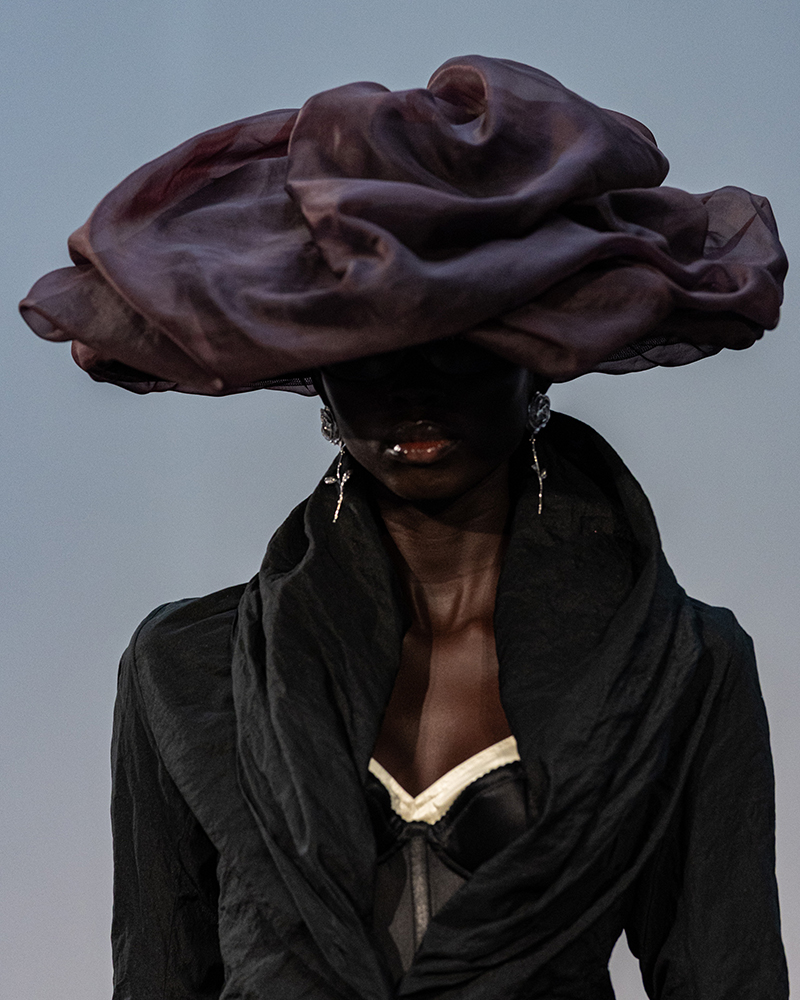
ปั้นความเป็นผู้หญิงตอนนี้
คำพูดของนีน่า คาลเดอร์
Magda Butrym ไม่เคยออกแบบมาก่อน เธอออกแบบสำหรับผู้หญิงที่เป็นผู้กำหนดรูปร่างดังกล่าว. ในอุตสาหกรรมที่เคลื่อนไหวด้วยความเร็วของวงจรแนวโน้มและอัลกอริธึมที่เปลี่ยนแปลง, งานของเธอโดดเด่น, มีรากฐานมาจากความสงบทางราคะที่ไม่เร่งรีบ. มีความจงใจต่อโลกของเธอ: ส่วนโค้งของดอกกุหลาบที่เย็บด้วยมือ, ความตึงของผ้าไหมที่พาดไว้, เสียงกระซิบที่แวววาวบนไหล่ที่ตัดเย็บอย่างปราณีต. แต่ละชิ้นให้ความรู้สึกเหมือนสิ่งประดิษฐ์ของชีวิตที่มีคนอาศัยอยู่ทั้งหมด, ชีวิตที่มีอำนาจน้อยเกินไป, ทางอารมณ์, และเป็นส่วนตัวอย่างลึกซึ้ง.
เกิดในโปแลนด์และปัจจุบันกลายเป็นภาษาสากลของความเป็นผู้หญิงยุคใหม่, Butrym ได้สร้างแบรนด์ที่มีความใกล้ชิดพอๆ กับเชิงสถาปัตยกรรม. การออกแบบของเธอมีความเป็นคู่ของผู้หญิงที่เข้าใจความนุ่มนวลและความรุนแรงไม่ใช่สิ่งที่ขัดแย้งกัน แต่เป็นการประสานงาน ซึ่งเป็นสองจุดที่เชื่อมโยงภูมิประเทศทางอารมณ์ที่ผู้หญิงต้องเผชิญทุกวัน. เธอเข้าใกล้เสื้อผ้าเหมือนนักวาดภาพบุคคล: ใส่ใจกับชีวิตภายใน, การประกาศอย่างเงียบ ๆ, การกบฏอันละเอียดอ่อนในการเลือกความงามตามเงื่อนไขของตัวเอง. สิ่งที่ทำให้เธอแตกต่างไม่ใช่แค่งานฝีมือเท่านั้น แม้ว่าความทุ่มเทในงานฝีมือของเธอจะมีขอบเขตอยู่ที่จิตวิญญาณ แต่นั่นเป็นวิธีที่เธอปฏิเสธที่จะเจือจางสัญชาตญาณ. จักรวาลของ Magda Butrym ถูกสร้างขึ้นโดยผู้หญิงที่เป็นเจ้าของตัวตนของพวกเขา, ผู้โอบกอดความโรแมนติกโดยไม่ละทิ้งอำนาจ, ผู้เข้าใจว่าความอ่อนแอและเส้นประสาทสามารถอยู่ร่วมกันได้ภายในภาพเงาเดียว. เมื่อเธอเข้าสู่บทใหม่ของการขยายตัวและอิทธิพล, Butrym ยังคงนำทางโดยดาวเหนือภายในดวงเดียวกัน: ความหลงใหลในความถูกต้องและความเชื่อว่าเสื้อผ้าสามารถเก็บอารมณ์ได้เช่นเดียวกับผิวหนัง. ในโลกที่หมกมุ่นอยู่กับการแสดง, เธอเสนอบางสิ่งที่ยั่งยืนกว่า, เชิญชวนให้มองเข้าไปข้างใน, ที่จะรู้สึกอย่างลึกซึ้ง, และแต่งกายด้วยเจตนาอันไม่ขอโทษ.
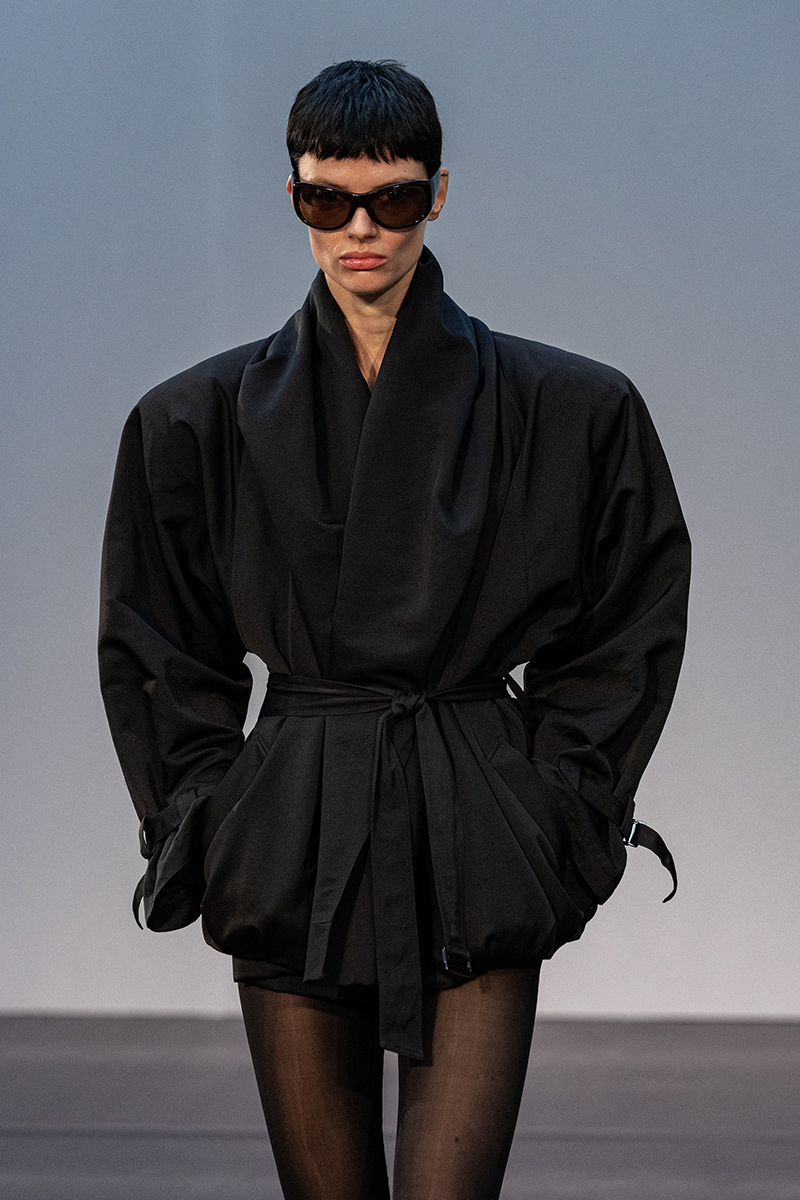
งานของคุณมีความตึงเครียดระหว่างความเย้ายวนที่มีโครงสร้างและความโรแมนติกที่ละเอียดอ่อน. เมื่อคุณเริ่มคอลเลกชันใหม่, คุณออกแบบภูมิทัศน์ทางอารมณ์หรือบรรยากาศภายในแบบใด?
ฉันมักจะเริ่มต้นจากสัญชาตญาณ, ไม่ใช่สติปัญญา. มันไม่เกี่ยวกับการสร้างมูดบอร์ดเลย – มันเกี่ยวกับการจับภาพความรู้สึก, ความตึงเครียดในอากาศ. บางครั้งมันเป็นช่วงเวลาที่ผ่านไปบนถนน, หน่วยความจำ, ท่าทางของผู้หญิงในร้านกาแฟ, ไม่ว่าจะในกรุงวอร์ซอ, ปารีส, หรือนิวยอร์ก. ฉันถูกดึงดูดไปสู่ความเป็นคู่: ความนุ่มนวลที่นำพาความแข็งแกร่ง, และโครงสร้างที่ยังมีลมหายใจ.
แนวทางในการสร้างสรรค์ของคุณมักจะให้ความรู้สึกถึงสถาปัตยกรรม, เหมือนกับการสร้างจักรวาลมากกว่าการประกอบเสื้อผ้า. คุณจะกำหนดสถาปัตยกรรมของภาพเงาได้อย่างไร?
สำหรับฉัน, ไม่ได้สร้างภาพเงา แต่ถูกแกะสลักไว้. เป็นกรอบอารมณ์รอบร่างกาย, บางครั้งก็คม, บางครั้งก็เป็นของเหลว, แต่ตั้งใจอยู่เสมอ. ฉันอยากให้มันจับคุณไว้, ให้ความรู้สึกเหมือนเป็นความทรงจำหรือข้อความที่คุณสามารถสวมใส่ได้.
มรดกของโปแลนด์และความเป็นผู้หญิงยุคใหม่มาบรรจบกันในงานของคุณในรูปแบบที่ละเอียดอ่อน. องค์ประกอบใดของภูมิหลังทางวัฒนธรรมของคุณที่ยังคงมีอิทธิพลต่อการเลือกสีของคุณ, เนื้อสัมผัส, หรือแบบฟอร์ม?
สำหรับฉัน, มรดกของโปแลนด์เป็นเรื่องเกี่ยวกับความแตกต่าง: ฤดูหนาวที่รุนแรงและลูกไม้ที่เปราะบาง, คอนกรีตที่โหดร้ายและผู้หญิงที่แต่งกายด้วยจินตนาการและสไตล์. ความตึงเครียดนั้นอยู่ในจานสีของฉัน – สีแดงเข้ม, คนผิวดำดำสนิท, งาช้างอ่อนและมีพื้นผิวเหมือนโครเชต์, ลูกไม้, และการทอผ้าที่หยั่งรากลึกในวัฒนธรรมของเรา. ฉันไม่ได้อ้างอิงถึงนิทานพื้นบ้านตามตัวอักษร. ฉันแปลรหัสสลาฟเหล่านั้นเป็นรูปแบบสมัยใหม่เหมือนไหล่อันแหลมคม, เสื้อคลุมแกะสลัก, ผ้าโพกศีรษะ, ทุกสิ่งที่เกี่ยวข้องกับผู้หญิงในปัจจุบัน.
คุณเคยพูดมาก่อนว่าผู้หญิงเป็นแรงบันดาลใจให้กับทุกสิ่งที่คุณสร้างขึ้น. ความเข้าใจในเรื่องความเป็นผู้หญิงและคนที่คุณออกแบบเพื่อคุณนั้นเปลี่ยนไปอย่างไรเมื่อแบรนด์ของคุณเติบโตขึ้น?
เมื่อแบรนด์เติบโตขึ้น, ฉันเข้าใจมากขึ้นว่าความเป็นผู้หญิงไม่เคยมีเรื่องเดียวเลย, แต่หลายคน. วันนี้ฉันออกแบบสำหรับผู้หญิงทุกวัย, ในเมืองต่างๆ, จากภูมิหลังที่แตกต่างกัน, ที่ใครๆ ก็อยากเป็นรำพึงของตัวเอง. อย่างที่ฉันพูดไว้ในแถลงการณ์ของแบรนด์ของฉัน, “ฉันไม่ต้องการกำหนดพวกเขา”.
ฉันอยากจะมอบบางสิ่งที่สามารถรักษาความแข็งแกร่งให้พวกเขาได้, ราคะของพวกเขา, และความอ่อนแอของพวกเขาในเวลาเดียวกัน.
มีความนุ่มนวลในชิ้นงานของคุณที่ไม่เคยสูญเสียความได้เปรียบ. คุณจะสร้างสมดุลระหว่างความอ่อนแอและพลังภายในการออกแบบของคุณได้อย่างไร?
สำหรับฉัน, ความนุ่มนวลและพลังไม่ได้ตรงกันข้าม – พวกเขาอยู่ด้วยกัน. ฉันมักจะเริ่มต้นจากสิ่งที่อ่อนโยน, เหมือนผ้าเหลว, หลังเปล่า, หรือรายละเอียดดอกกุหลาบ, และยึดมันไว้อย่างชัดเจน: เส้นที่แม่นยำ, สัดส่วนที่เป็นตัวหนา, ทัศนคติบางอย่าง. เป็นเรื่องธรรมดาอย่างที่มันฟัง, ฉันเชื่อจริงๆ ว่าชิ้นส่วนที่ถูกต้องสามารถปล่อยให้ผู้หญิงแสดงจุดอ่อนของเธอและยังคงรู้สึกควบคุมได้อย่างสมบูรณ์.
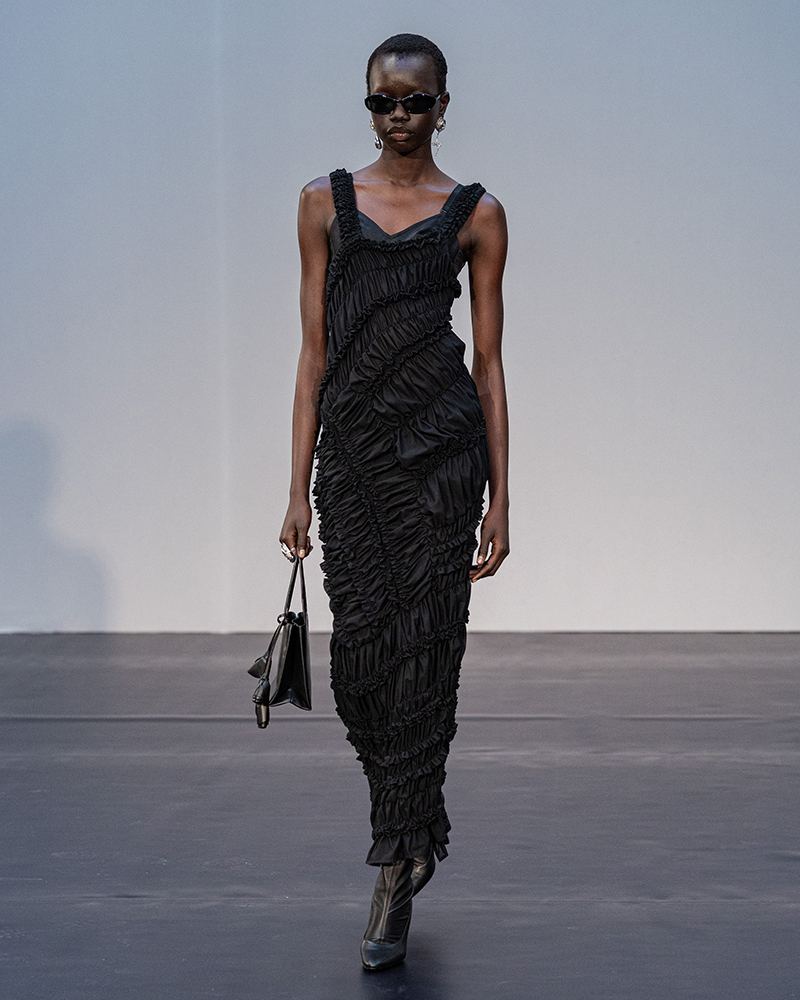
นักออกแบบหลายคนพูดถึงแรงบันดาลใจ, แต่เสื้อผ้าของคุณดูเหมือนจะสะท้อนถึงอารมณ์ความรู้สึกที่มีชีวิตมากกว่าภาพในอุดมคติ. ความรู้สึกอะไร, ท่าทาง, หรือช่วงเวลาในชีวิตจริงมักกระตุ้นแรงกระตุ้นในการออกแบบของคุณ?
ฉันหมกมุ่นอยู่กับช่วงเวลาเหล่านั้น: ผู้หญิงกำลังปรับเสื้อคลุมของเธอ, เอนตัวลงบนโต๊ะคาเฟ่, ก้าวลงจากรถ, และดึงเสื้อแจ็คเก็ตของเธอให้แน่นขึ้นอีกเล็กน้อย. มันเป็นส่วนผสมของความมั่นใจและความลังเล, ความเข้มแข็งและความสงสัยที่ฉันสนใจ. เล็กๆ น้อยๆ เหล่านี้, ท่าทางที่ไม่สมบูรณ์คือ, สำหรับฉัน, รำพึงที่แท้จริงมีลักษณะอย่างไร.
ผู้หญิง Magda Butrym ให้ความรู้สึกที่เหนือกาลเวลาและร่วมสมัยอย่างโดดเด่น. คุณจะรักษาความเป็นคู่นั้นไว้ได้อย่างไรโดยไม่ยึดติดกับความคิดถึงหรือกระแสนิยม?
ฉันไม่สนใจเสื้อผ้าที่กรีดร้องหนึ่งฤดูกาลแล้วรู้สึกผิด. ฉันถามตัวเองเสมอว่าผู้หญิงจะยังจำตัวเองได้ในผลงานชิ้นนี้อีกหลายปีต่อจากนี้หรือไม่. ความอมตะนั้นมาจากความซื่อสัตย์ในการตัดและอารมณ์ความรู้สึก, ในขณะที่ด้านร่วมสมัยมาจากการตอบสนองต่อการใช้ชีวิตของผู้หญิงในปัจจุบัน – จังหวะของพวกเขา, เมืองของพวกเขา, ความซับซ้อนของพวกเขา.
งานของคุณมักประกอบด้วยรายละเอียดที่ทำด้วยมือและเทคนิคของช่างฝีมือ. “งานฝีมือ” มีความหมายต่อคุณอย่างไรในยุคแห่งความเร็ว, อิทธิพลทางดิจิทัล, และการผลิตจำนวนมาก?
สำหรับฉัน, งานฝีมือเป็นเรื่องของเวลา, สัมผัส, และความรับผิดชอบ. หมายถึงการทำงานอย่างใกล้ชิดกับช่างฝีมือ, ปล่อยให้ความรู้ของพวกเขาเป็นรูปเป็นร่าง, และยอมรับ "ความไม่สมบูรณ์" เล็กๆ น้อยๆ ที่ทำให้บางสิ่งบางอย่างรู้สึกมีชีวิตชีวา. โลกดิจิทัลนั้นรวดเร็วและแบนราบ; งานฝีมือให้ความลึก – มันเป็นสิ่งที่ทำให้ผู้หญิงอยากเก็บชิ้นส่วนไว้, ไม่ใช่แค่เหมือนในม้วนหนังสือ.
หากแต่ละคอลเลกชันเป็นบท, คุณรู้สึกว่าคุณกำลังเขียนเรื่องราวอะไรทั่วทั้งงานของคุณ, และตอนนี้คุณกำลังเข้าสู่บทไหน?
ฉันรู้ว่ามันฟังดูเหมือนฉันพูดซ้ำไปซ้ำมา, แต่ความสม่ำเสมอคือมนต์ของฉัน. ฉันเชื่อจริงๆ ว่าฉันได้เขียนเรื่องยาวเรื่องหนึ่งเกี่ยวกับผู้หญิงคนหนึ่งที่เรียนรู้ที่จะเป็นคนรำพึงของเธอเอง – โอบกอดความแข็งแกร่งและความไว, ความโรแมนติกและความเป็นจริง, ทั้งหมดในครั้งเดียว. บทแรกๆ เป็นเรื่องเกี่ยวกับการกำหนดรหัส; ตอนนี้ฉันมีสัญชาตญาณมากขึ้น, เฟสส่วนตัว, โดยที่ฉันยอมให้ตัวเองกล้าหาญและอ่อนแอมากขึ้นในการทำงาน – รู้สึกเหมือนไม่ค่อยตกแต่งชีวิตผู้หญิง แต่เหมือนถูกเชิญเข้าสู่โลกภายในของเธอ.
เมื่อคุณคิดถึงอนาคตของแบรนด์ของคุณ, คุณถามคำถามอะไรกับตัวเองอย่างสร้างสรรค์หรือเชิงปรัชญาโดยที่คุณไม่ได้ถามเมื่อเริ่มแรก?
ตอนนี้ฉันถามตัวเองน้อยลงว่า “ฉันจะเติบโตได้อย่างไร?” และอื่นๆ “ฉันจะซื่อสัตย์ในขณะที่เราเติบโตได้อย่างไร” เมื่อแบรนด์ขยายไปไกลกว่าร้านค้าออนไลน์และพันธมิตร, และเราเตรียมเปิดโปงโปรเจ็กต์ขนาดยักษ์เข้ามา 2026, ฉันรู้สึกถึงความรับผิดชอบที่ยิ่งใหญ่กว่าในการปกป้องความใกล้ชิด, งานฝีมือ, และอารมณ์เป็นหัวใจของสิ่งที่เราทำ. อย่างสร้างสรรค์, ฉันสนใจที่จะแต่งตัวผู้หญิงในช่วงเวลาต่างๆ ของวัน, ช่วงต่างๆ ของชีวิตของพวกเขา, โดยไม่ทำให้มุมมองเฉพาะเจาะจงที่เริ่มต้นการเดินทางครั้งนี้เจือจางลง.