
Culture
Melissa Barrera
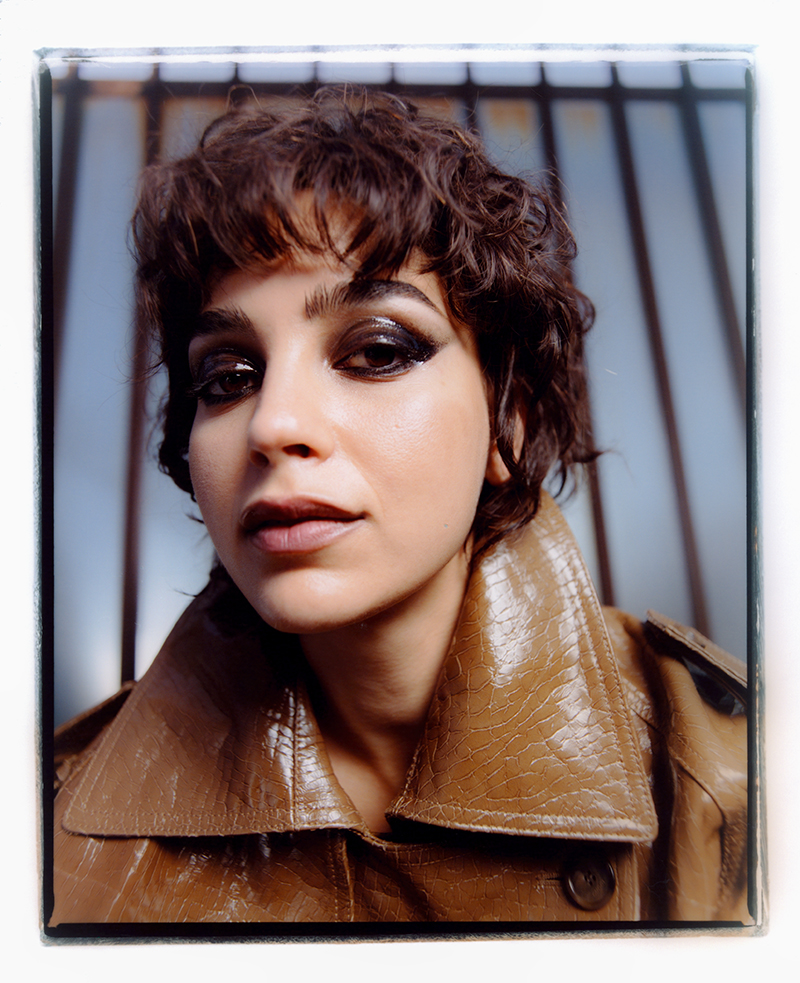
|
Full look: Gucci |
Melissa Barrera Is the Scream Queen We’ve Been Waiting For
Words by Kerane Marcellus
What do a horror film and a musical have in common? These days, Mexican actress Melissa Barrera. The thespian traverses between the two genres with ease, as they both include the intricacies and nuances of a bold, complex woman. Barrera humbly doesn’t identify as a Scream Queen, citing The Shining’s Shelley Duvall as a rightful heir to the title. However, she’s recently played several horror roles, from Scream Rau Your Monster, garnering a loyal fan base. Her breakout role as Vanessa Morales in the film adaptation of the stage musical In the Heights was the catalyst for it all. She went on to star in n, another musical, and then the slew of horror films came next.
While she’s an actress who clearly delivers an outstanding performance, not being white has posed as an obstacle at times in her career. But that doesn’t stop her from creating her own opportunities. Sometimes, the table we’ve been waiting to be invited to just needs to be built ourselves. Namely, Barrera has written a script for a genre she’s always wanted to see herself in. Nothing is out of reach for the actress. She was an executive producer of an award-winning documentary, Traces of Home, by Mexican-Palestinian filmmaker Collette Ghunim. It’s a story that hits close to home in culture and experience for Barrera. After Scream 7 fired her in response to her pro-Palestinian comments on social media, this film felt like a kismet opportunity. “I know that art has the potential to spark meaningful, positive change,” she reflected. This sentiment is the foundation of her career.
Barrera is boundless in ideas and energy; nothing can slow her down. While she is an actress, she’s also a multi-hyphenate in the making—a true artist. It’s clear she’s not afraid to speak up, a trait in Hollywood that isn’t always rewarded, but necessary even when standing alone. We discussed her dream roles, method acting, and art that heals.
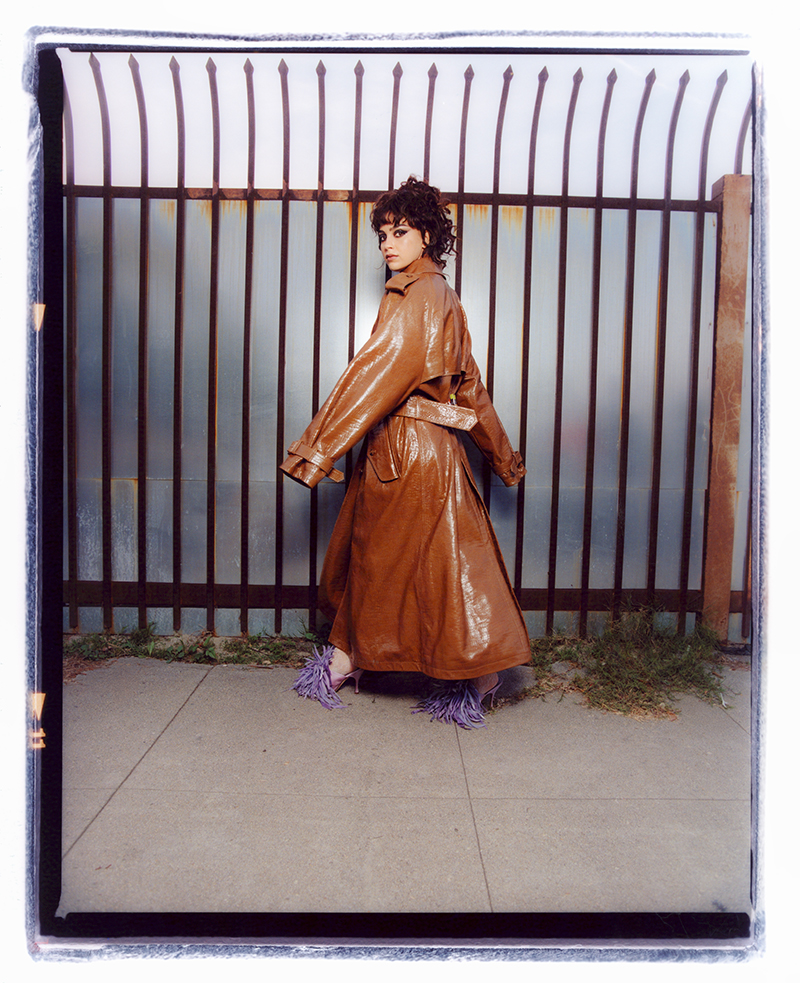
|
Full look: Gucci |
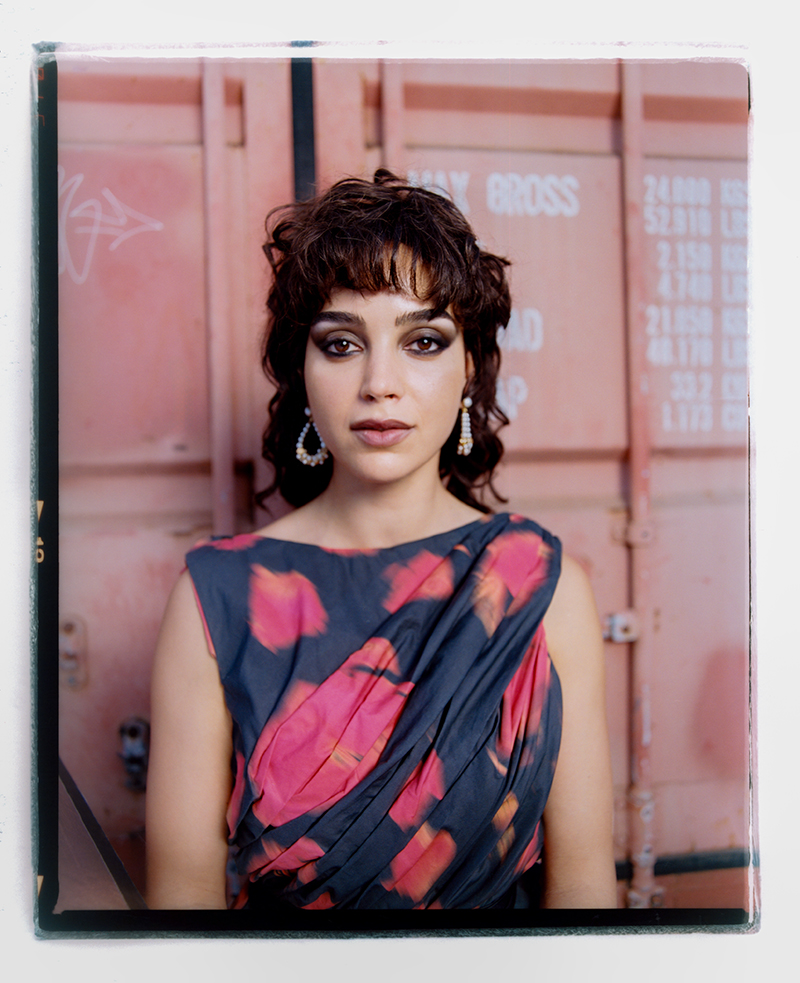
|
Dress: Palomo Spain, Earrings: Chanel |
I know your early career was in Mexico. How did you get into acting?
My career started in Mexican soaps and on a reality show, but I started acting in school. The school I attended in Monterrey had a really great drama and theatrical program. I started my early years as an athlete playing basketball, and I always looked at the kids on stage and wanted to be up there with them. Eventually, I convinced my entire basketball team to go with me to the Wizard of Oz audition in eighth grade, and that was it; I fell in love. I felt a sense of belonging with theater kids. I decided that’s what I wanted to do for a career and went to Tisch at NYU. Then two years into college, I auditioned for a singing competition show in Mexico, and after that, I started working in telenovelas. That was 2011, almost 15 years ago now.
Your big breaks were in musicals In The Heights Thiab n, but I feel like you’ve been in a lot of horror movies and thriller shows lately. Would you say that’s your favorite genre to work in, and why?
I wouldn’t say I have a favorite genre, but in the last few years, the best scripts I’ve gotten have been in horror or horror-adjective projects. Musicals are my first love, though, and I’ve always said if I had to choose only one genre to work in for the rest of my life, it would be movie musicals. But I like variety, and I think every genre uses different muscles, and it’s important to use them; otherwise, they’ll atrophy. If you stick to one genre for too long, you’ll forget how to do the rest. I think comedy is probably the hardest in technique. I grew up mostly watching either big fantasy action movies or rom-coms, so I would love to do more of that. I haven’t done a straight rom-com yet, so that’s where I’m leaning towards next.
What are the parallels between horror and musicals to you?
I’m going to paraphrase this from Caroline Lindy, the director of Your Monster, because she said this beautifully— horror and musicals are actually very similar. After all, they’ve always allowed loud, messy, imperfectly bold women to be at the center. They’re both very heightened, too. Horror, of course, has the final girl, the woman at the end who’s the survivor and a hero. Musicals have so many roles with iconic women leads that are allowed to be complex and flawed characters who go through immense growth. These are the genres I’ve worked in the most, and I think it’s because I’ve always gravitated towards journeys of complex female characters who are strong.
You’ve been deemed a Scream Queen because of your horror film roles. What is the definition of a Scream Queen to you?
It's an honor even to be considered on that list, because to me, being a “Scream Queen” requires a lot of career experience and a portfolio of iconic roles. “Scream Queen” is a term that’s overused nowadays—I grew up watching and admiring the hailed “Scream Queens.” I think Shelley Duvall in The Shining and Isabelle Adjani in Possession are my top two. The definition, to me, is someone who has an iconic cult classic film that everyone recognizes, or a jaw-dropping performance in horror.
What other types of roles are on your list of dream roles?
I’ve always loved Indiana Jones and have searched for a version of that with a woman leading. I would love to do a big action or adventure epic. Additionally, anything romance—I’m a sucker for romance, that’s what I latch onto in any film that I watch or a script that I read. Romance is the thing that connects me to the story, no matter if it’s a side plot in a horror or an action movie. I’ve written a script myself that is a period romance, because I’ve always wanted to be in a story like that. Being that I’m Mexican, I’m not often considered for those kinds of roles, so I have to make my own opportunities. There’s a lot I still want to do and new roles I want to explore without closing myself off or being in one lane. I’ve learned to be open to whatever opportunities may come.
What type of acting methods are you a fan of, and what’s the one you tend to use the most to step into the life and feelings of a character you're playing?
Sometimes I read a script where I connect so deeply with the character that I only focus on the lines written. At other times, the role requires more research, talking to people, and creating mood boards or playlists to build out the character’s world. I’m not a particular fan of what people call method acting, which I think has become a kind of muddled term. In the modern sense, it’s unnecessary in my opinion. I think originally, method acting didn’t mean to absorb the character into your own everyday life, T. a, b, as long as you’re not creating discomfort on set or making things more difficult. s, i, s.
Who are the actors, t, h?
e, e. j, Sarah Polley, r, u, b, who just wrote, l, o s, Baby n. t.
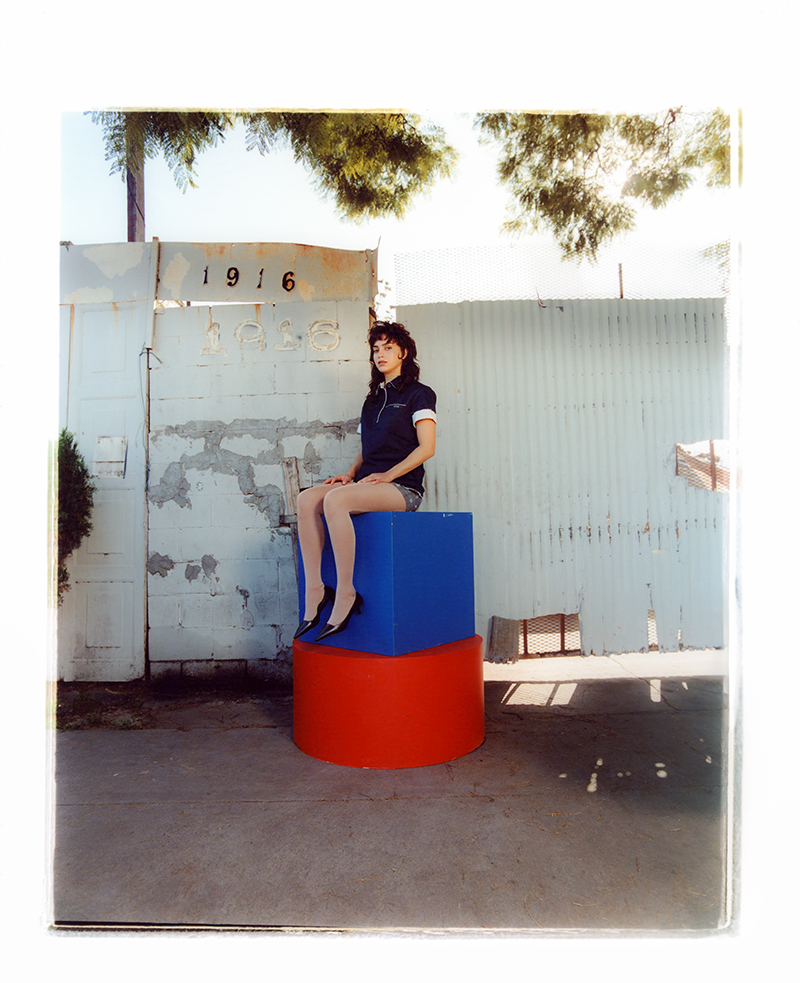
|
Full look: o |
a Traces of Home, w. N, w, s?
Kuv zoo siab heev Traces of Home; z, o, o. Kuv tau mus ze los ntawm pab pawg los koom nrog ua tus thawj coj tsim tawm lig hauv cov txheej txheem, l. i. Kuv paub tias tus thawj coj, c [a], s 2018, uas yeej qhia tau hais tias ntev npaum li cas qhov xwm txheej hauv Palestine tau mob hnyav. l, o, s, kev sib raug zoo rau hauv kev raug mob ntawm ntau tiam neeg.
Zaj dab neeg tsom mus rau ib tsev neeg Mexican-Palestinian sim kho cov qhov txhab tob tob uas tshwm sim los ntawm ob niam txiv yuav tsum tau khiav tawm hauv lawv lub tsev vim muaj kev sib txawv ntawm kev ua phem. Kuv paub tias Colette, tus thawj coj thiab lub hnub qub, npaj yuav pib ib qho kev cuam tshuam phiaj xwm kom tau txais zaj duab xis nyob rau hauv pem hauv ntej ntawm ntau lub qhov muag thiab pob ntseg li ntau tau, ntawm cov tsev kawm qib siab thiab cov chaw uas yuav tau txais txiaj ntsig los ntawm hom kev sib tham no. Lub xeev tam sim no ntawm lub ntiaj teb yog tsim cov neeg tawg rog tshiab txhua hnub, thiab cov neeg ntawd ces dhau qhov kev raug mob ntawd rau ntau tiam yog tias tsis kho kom zoo (thaum qhov ntawd ua tau). Nws yog qhov kev sib tham tseem ceeb uas yuav tsum muaj-kom nkag siab txog qhov cuam tshuam ripple uas hom kev raug mob no yuav muaj rau cov tiam tom ntej. Zaj yeeb yaj kiab no yog hais txog kev kho kom zoo thiab nrhiav kev kaw, uas yog cov cuab yeej tseem ceeb rau cov neeg thoob plaws ntiaj teb sim ua tib yam. Kuv zoo siab heev thiab muaj koob meej los ua ib feem ntawm Traces of Home pab pawg.
Dab tsi yog lub hom phiaj ua yeeb yam tseem ceeb uas koj xav ua tiav hauv xyoo tshiab?
Kuv lub hom phiaj yog ib txwm ua haujlwm ntawm cov phiaj xwm uas ua rau kuv zoo siab thiab twv kuv kom loj hlob. Kuv muaj lub hom phiaj tseem ceeb tom qab lub koob yees duab, uas yog kom tau txais kuv zaj duab xis ua. Vam tias, raws txoj kev, Kuv yuav koom tes nrog cov neeg zoo ib yam, cov neeg ua yeeb yam zoo ib yam li lub siab uas txaus siab qhia cov dab neeg nrog lub hom phiaj uas tuaj yeem kho tib neeg ib lub siab zuj zus. I know that art has the potential to spark meaningful, positive change.
What are some new projects (that you’re allowed to talk about) that fans can get ready for?
My newest project is The Copenhagen Test, premiering on Peacock! The show is a twist on the spy genre, and as a longtime fan of the genre, I find it to be such a fresh take. It’s intriguing, suspenseful, and unexpected, so in that vein, I don’t want to reveal too much, but I can say I’m so proud to be a part of it and working with Simu Liu and the rest of the cast.
|
Photography: Thalia Gochez Fashion Editor: Oliver Vaughn Plaub hau: Clayton Hawkins at A Frame Agency Pleev xim: Jen Tieseco at A Frame Agency Teeb Tsim: Ruth Kim Styling Assistants: Sid Sultan and Jonny Fittin Set Design Assistant: Kyle Figueroa Special Thanks, Dream Factory LA |