Culture
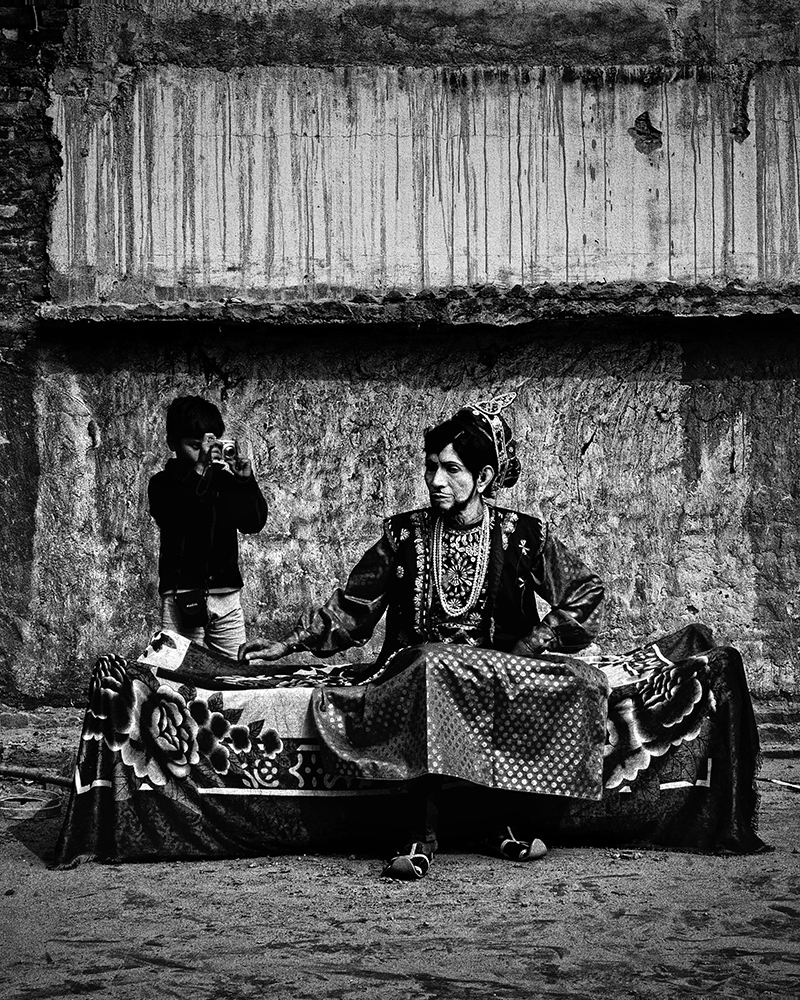
THE once towering figures of the Jatra
Photos by Soumya Sankar Bose
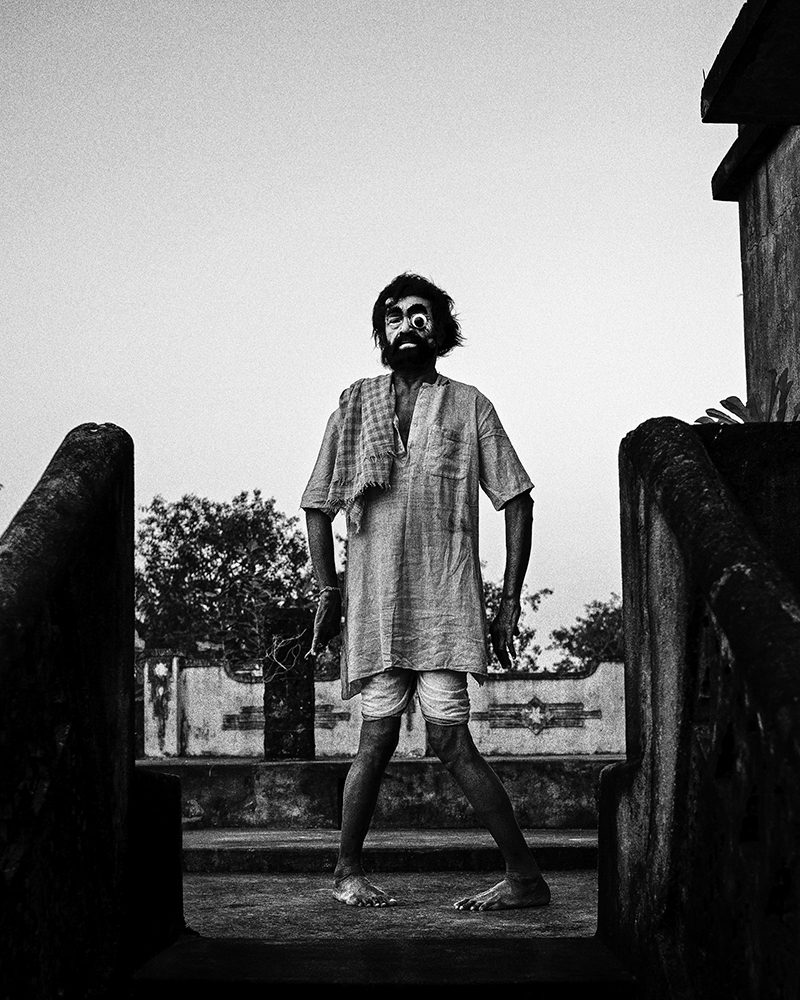
Bose knew he had to work on this project (2010–2015) when his uncle retired from the Jatra and joined a railway factory, hoping to do what he could not as an artist—earn a living. It was at this point that Bose began photographing artists who are now unemployed but were once towering figures of the Jatra. Dating back to the 16th century, Jatra is a famous folk theater form from united Bengal, which includes both Bangladesh and West Bengal. This performance art utilizes dialogue, monologues, songs, and instrumental music to tell various stories. The plays, known as Jatra pala, are performed on wooden stages without barriers between the actors and the audience, allowing for direct interaction. The plots encompass a wide range of themes, including Indian mythology, historical events, and contemporary narratives addressing social issues.
The Partition of India had a significant impact on Jatra, a traditional form of folk theater. In the newly established East Pakistan (which later became Bangladesh), a Muslim-majority country, performers stopped enacting Hindu religious folktales such as Krishna Lila, Devi Thakurani, Kongso Bodh, and Kaliadaman. Conversely, in West Bengal, artists ceased to portray Muslim characters, including figures like Siraj-ud-Dullah, Shah Jahan, and Akbar. Additionally, the rise of cinema and television in the 1960s and 70s dealt another severe blow to the Jatra theatre form.
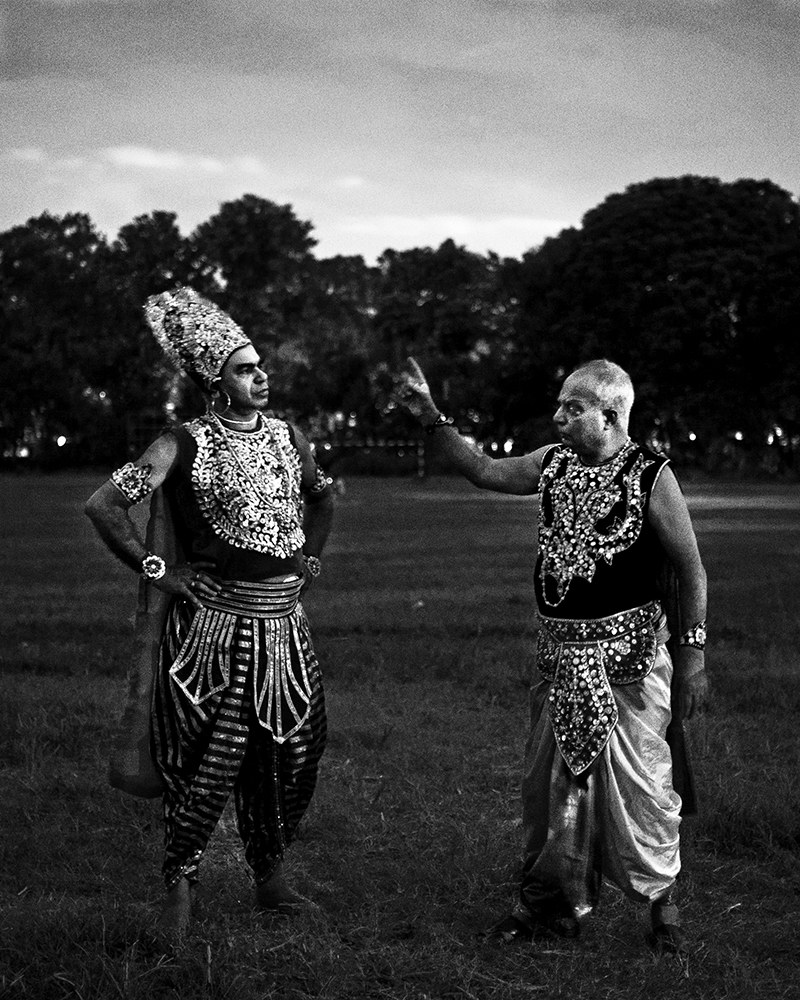
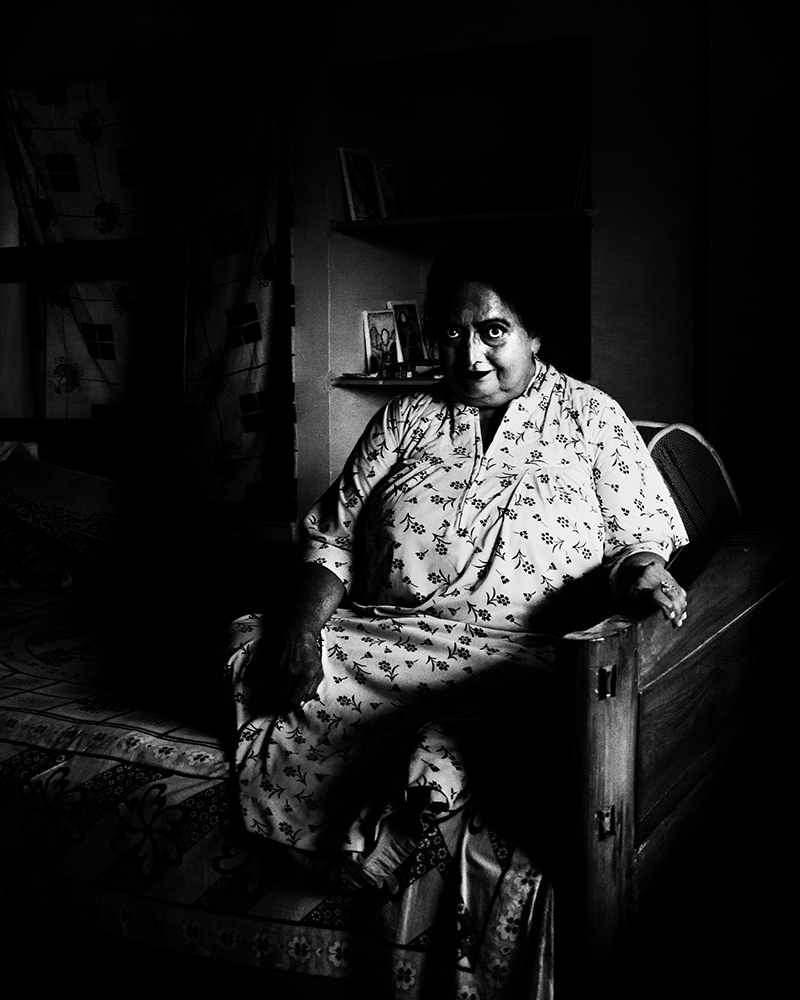
By 2013, more than 600 Jatra companies employed over 200,000 people. However, their situation had worsened to the point that many were compelled to offer free performances. Bose’s research explores the Jatra performers, the characters they portrayed, and the psychological motivations that kept them engaged in this traditional folk art form.